Cremation Service Planning Made Easier for Families in Mesa, AZ
Learn how to plan meaningful cremations in Mesa, AZ. Explore preplanning benefits, required documents, provider questions, and personalized memorial ideas.
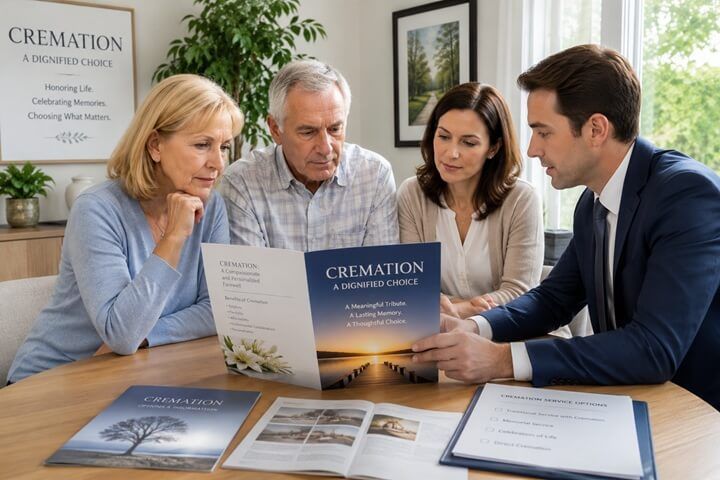
Planning end-of-life arrangements is one of the most thoughtful gifts a person can give to loved ones. By making decisions in advance and understanding the process, families can reduce uncertainty and focus on honoring a life well lived. Whether arrangements are made in advance or during a time of need, understanding cremation service planning can help families navigate important decisions with confidence.
For those researching cremations in Mesa, AZ, learning about preplanning, documentation requirements, service options, and personalization opportunities can make the process more manageable. A well-planned cremation service can provide comfort, create meaningful memories, and help families gather together to celebrate a loved one's legacy.
Why Preplanning a Cremation Service Brings Peace of Mind
Preplanning allows individuals to make their wishes known while relieving family members of many decisions that may otherwise need to be made during an emotional time. Instead of guessing what a loved one would have wanted, family members can follow documented preferences with confidence.
One of the greatest benefits of preplanning is clarity. Decisions regarding the type of service, preferred location, music selections, readings, and personal touches can all be recorded in advance. This guidance can help families focus on supporting one another rather than navigating uncertainty.
Preplanning also encourages open conversations among family members. Discussing final wishes ahead of time can help ensure everyone understands the individual's preferences and can work together when the time comes.
Additionally, cremation preplanning creates a sense of preparedness. Knowing that important arrangements have already been considered often brings reassurance to both individuals and their loved ones.
Steps to Arrange a Cremation Service
Understanding the basic steps involved in arranging a cremation service can make the process feel less overwhelming.
1. Contact a Trusted Funeral Home or Cremation Provider
The first step is to select an experienced provider who can guide families through every stage of the arrangement process. A knowledgeable team can answer questions, explain available options, and provide support when it is needed most.
2. Gather Personal Information
Families will typically need information about the deceased, including legal name, date of birth, Social Security number, marital status, and other identifying details required for official documentation.
3. Complete Authorization Forms
Cremation requires specific authorization forms signed by the legal next of kin or authorized representative. Funeral professionals can explain the requirements and help ensure all paperwork is completed correctly.
4. Obtain Necessary Permits
Various permits and approvals may be required before cremation can proceed. A funeral home generally assists families in securing the appropriate documentation and coordinating with local authorities.
5. Plan the Memorial or Farewell Service
Families can choose from a variety of service options. Some prefer a traditional funeral before cremation, while others choose a memorial gathering afterward. The service can be customized to reflect the unique life, personality, and values of the individual being honored.
6. Coordinate Final Details
The funeral home works closely with the family to coordinate scheduling, service logistics, guest accommodations, and any personalized elements selected for the ceremony.
Documents Needed for Cremation Arrangements
Having the appropriate documents available can help arrangements move forward smoothly.
Vital Information
Families are often asked to provide:
- Full legal name
- Date and place of birth
- Date and place of death
- Social Security number
- Marital status
- Occupation
- Parents' names
Identification Documents
Depending on circumstances, identification documents may be required. Examples can include:
- Driver's license
- State identification card
- Passport
- Military discharge papers, if applicable
Authorization Forms
Legal authorization forms must typically be completed by the appropriate next of kin or designated representative. Funeral professionals can explain who is legally authorized to sign these documents.
Veteran Documentation
For veterans, discharge documentation may be needed to arrange military honors or access available benefits.
Because requirements can vary based on individual circumstances, families should consult directly with their funeral provider to ensure all necessary paperwork is prepared.
Questions to Ask a Cremation Provider
Choosing the right provider is an important decision. Asking thoughtful questions can help families feel informed and confident.
What Services Are Available?
Understanding the range of available services can help families determine which options best align with their needs and preferences.
How Will You Guide Our Family Through the Process?
A compassionate provider should clearly explain each step and be available to answer questions throughout the arrangement process.
What Personalization Options Do You Offer?
Many families want a service that reflects the unique life of their loved one. Ask about memorial events, tribute videos, music selections, memory displays, and other opportunities for personalization.
Can You Help With Required Documentation?
An experienced provider can assist with completing paperwork, obtaining permits, and coordinating necessary approvals.
What Support Resources Are Available?
Many funeral homes offer grief support resources, educational materials, and referrals to community organizations that may provide additional assistance.
How Will Communication Be Handled?
Knowing who your primary point of contact will be and how updates will be provided can help reduce stress and improve coordination.
How Families Can Personalize a Cremation Service
Every life has a unique story, and a personalized service helps ensure that story is remembered and celebrated.
Display Meaningful Photographs
Photo displays can highlight important milestones, family memories, achievements, and cherished moments throughout a person's life.
Incorporate Favorite Music
Music often creates emotional connections and can help set the tone for a meaningful tribute. Families may choose favorite songs, instrumental selections, or performances that reflect the individual's personality.
Share Personal Stories
Inviting family members and friends to share memories can create a powerful and heartfelt experience. Personal reflections often become some of the most meaningful parts of a memorial gathering.
Create Tribute Videos
Video tributes can combine photographs, music, and special messages into a memorable presentation that celebrates a life and legacy.
Include Meaningful Symbols
Personal interests, hobbies, community involvement, faith traditions, and achievements can all be incorporated into the service through displays, readings, or themed elements.
Encourage Participation
Families may invite attendees to write memories, share stories, contribute photographs, or participate in tribute activities that celebrate the individual's impact on others.
Creating Meaningful Farewell Ceremonies
A farewell ceremony serves as an opportunity for family and friends to gather, reflect, and honor a loved one. While every ceremony is unique, the most meaningful services often focus on personal connection and shared remembrance.
Meaningful ceremonies can include readings, musical performances, opportunities to share memories, tribute videos, and moments of reflection. Some families choose formal gatherings, while others prefer more relaxed celebrations of life that emphasize storytelling and connection.
The location itself can also contribute to the event's significance. A place that held special meaning to the individual may help attendees feel closer to cherished memories and experiences.
The most memorable farewell ceremonies are those that genuinely reflect the values, passions, relationships, and accomplishments of the person being honored. By focusing on what made that individual unique, families can create a lasting tribute that brings comfort and inspiration to everyone in attendance.
Supporting Families Through Cremation Service Planning
Planning a cremation service involves many important decisions, but families do not have to navigate the process alone. With guidance, preparation, and thoughtful planning, it is possible to create a meaningful experience that honors a loved one's life while providing comfort to family and friends.
For families researching cremations in Mesa, AZ, taking the time to understand the planning process can help ensure arrangements reflect personal wishes and family traditions. From preplanning and documentation to personalized tributes and meaningful ceremonies, every detail contributes to a respectful, memorable farewell that celebrates a life well lived.